
5 Myths About Animal Chiropractic
If you’ve ever wondered whether animal chiropractic is “really a thing,” you’re not alone. Many pet owners are curious about chiropractic care for animals but aren’t quite sure what it involves, whether it’s safe, or how it can help.
At Wild & Well, one of the most rewarding parts of my work is helping owners better understand how movement, alignment, and the nervous system affect their animal’s comfort and quality of life.
Let’s clear up some of the most common myths about animal chiropractic.
Myth #1: “Animal chiropractic is just for injured pets.”
While chiropractic care can absolutely support recovery after injury, many pets benefit from care long before there’s a major problem.
Animals naturally compensate for discomfort. Subtle changes in movement, posture, or behavior can appear long before obvious limping or pain.
Preventative chiropractic care may help support:
- Mobility
- Flexibility
- Coordination
- Comfort
- Performance in active or sporting animals
Just like humans, animals don’t have to wait until they’re hurting badly to benefit from bodywork and movement care.
Myth #2: “Adjustments are forceful or scary.”
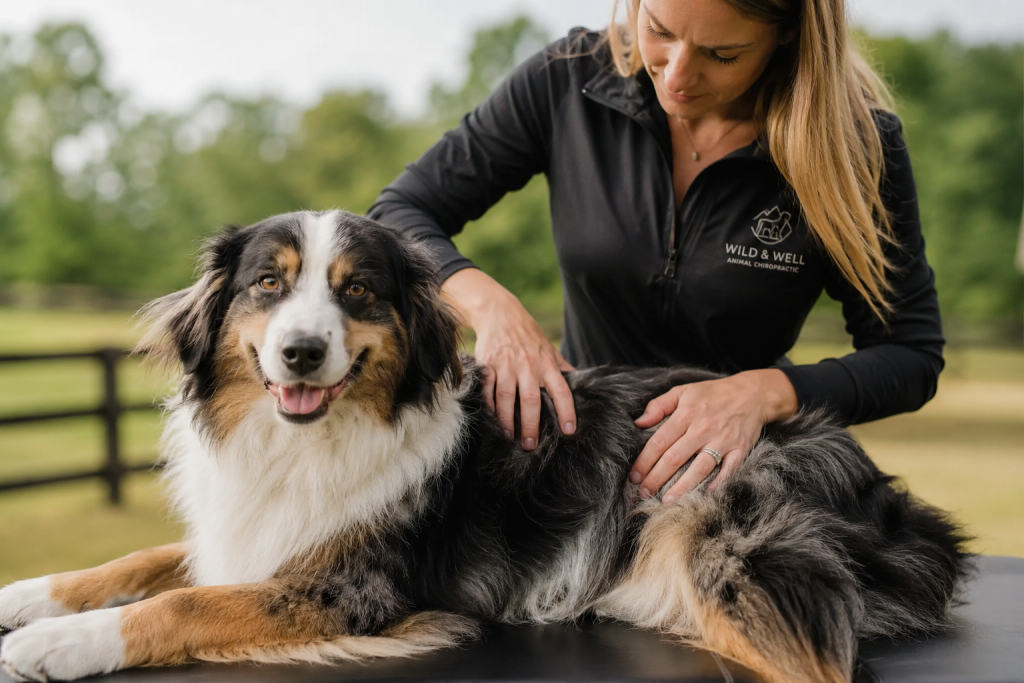
Animal chiropractic adjustments are very gentle and specific.
Most adjustments use a quick, controlled motion with minimal force. Many animals relax during treatment and some even fall asleep afterward.
Every adjustment is tailored to the individual animal based on:
- Size
- Age
- Condition
- Comfort level
- Health history
The goal is never to “crack” joints aggressively. The focus is restoring healthy motion and nervous system communication.
Myth #3: “Only older dogs need chiropractic care.”
Senior pets often benefit from chiropractic support, especially as arthritis and stiffness develop, but younger and active animals benefit too.
I commonly see:
- Hiking dogs
- Agility dogs
- Working dogs
- Performance horses
- Puppies with movement asymmetries
- Pets recovering from slips or falls
Even playful activities can create compensation patterns over time.
Myth #4: “If my pet isn’t limping, they must feel fine.”
Animals are incredibly good at hiding discomfort.
Signs of tension or restriction may include:
- Difficulty jumping
- Reluctance to use stairs
- Sitting crooked
- Changes in posture
- Reduced stamina
- Behavioral changes
- Uneven wear on nails
- Trouble turning one direction
Often these signs develop gradually, making them easy to miss.
Myth #5: “Animal chiropractic replaces veterinary care.”
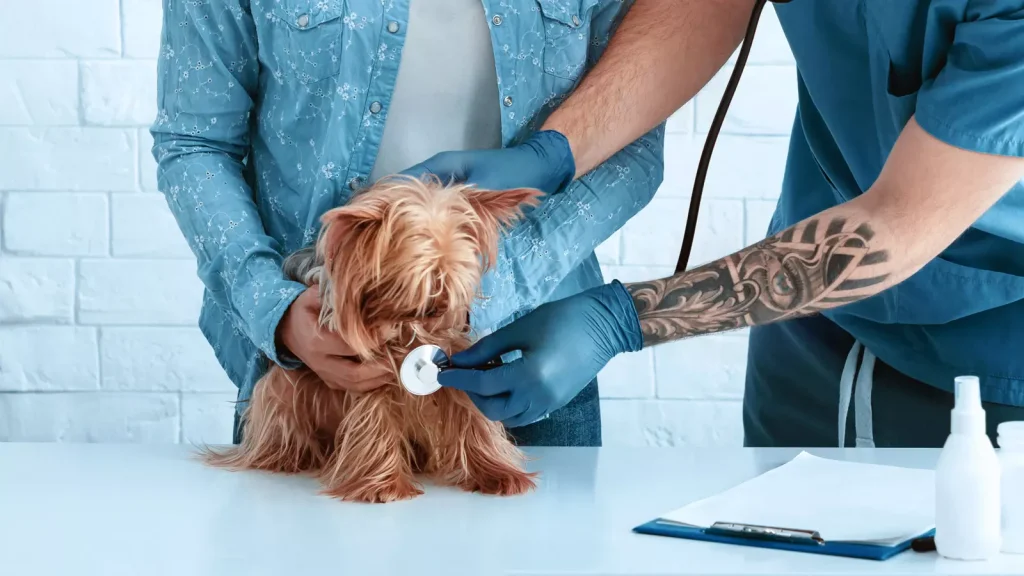
Animal chiropractic works alongside veterinary medicine — not instead of it.
A collaborative approach is important for your pet’s health. Chiropractic care can be one part of a broader wellness plan that may also include:
- Veterinary evaluation
- Rehabilitation
- Massage
- Acupuncture
- Nutrition support
- Exercise modification
At Wild & Well, the goal is to support your animal’s overall comfort, movement, and quality of life as part of a team approach.
Final Thoughts
Every animal deserves the ability to move comfortably and confidently.
Whether your pet is aging, highly active, recovering from strain, or simply slowing down more than expected, chiropractic care may be a supportive addition to their wellness routine.
If you’re curious whether your animal could benefit from chiropractic care, I’m always happy to answer questions and help you better understand your options.
— Dr. Steph Tilden
Wild & Well Animal Chiropractic